Last month, a skincare brand owner in Pune got a message from a new customer: "I found you after asking ChatGPT for a gentle sunscreen." She was delighted, then confused. She had never done anything to get on ChatGPT's radar. So how did it happen? And how many customers was she missing without knowing?
If you run a business, that question is worth your attention. It's the reason LLM Search Optimisation is becoming a topic every owner should understand.
People Have Stopped Scrolling
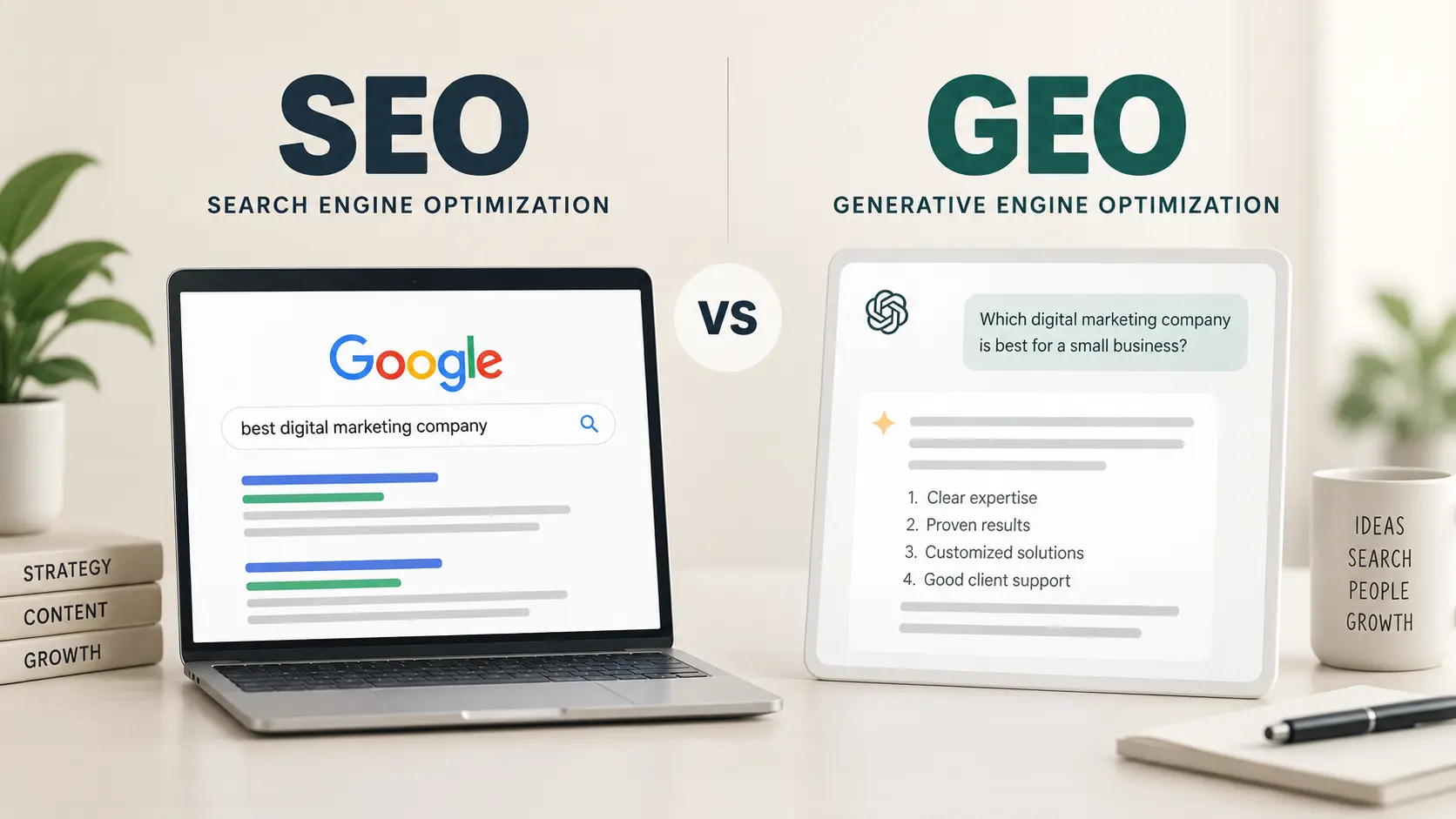
Not long ago, we typed two or three words into Google and clicked through a list of links. Now many of us just ask a full question and get one neat answer. That's generative AI search. ChatGPT, Gemini, Perplexity and Google's AI Overviews read a lot of material, then write a single reply.
Here's the catch. A list of ten links gives ten businesses a chance. A single answer gives maybe two or three. If you're not in it, the customer never even knows you exist.
What Makes an AI Pick One Business Over Another?
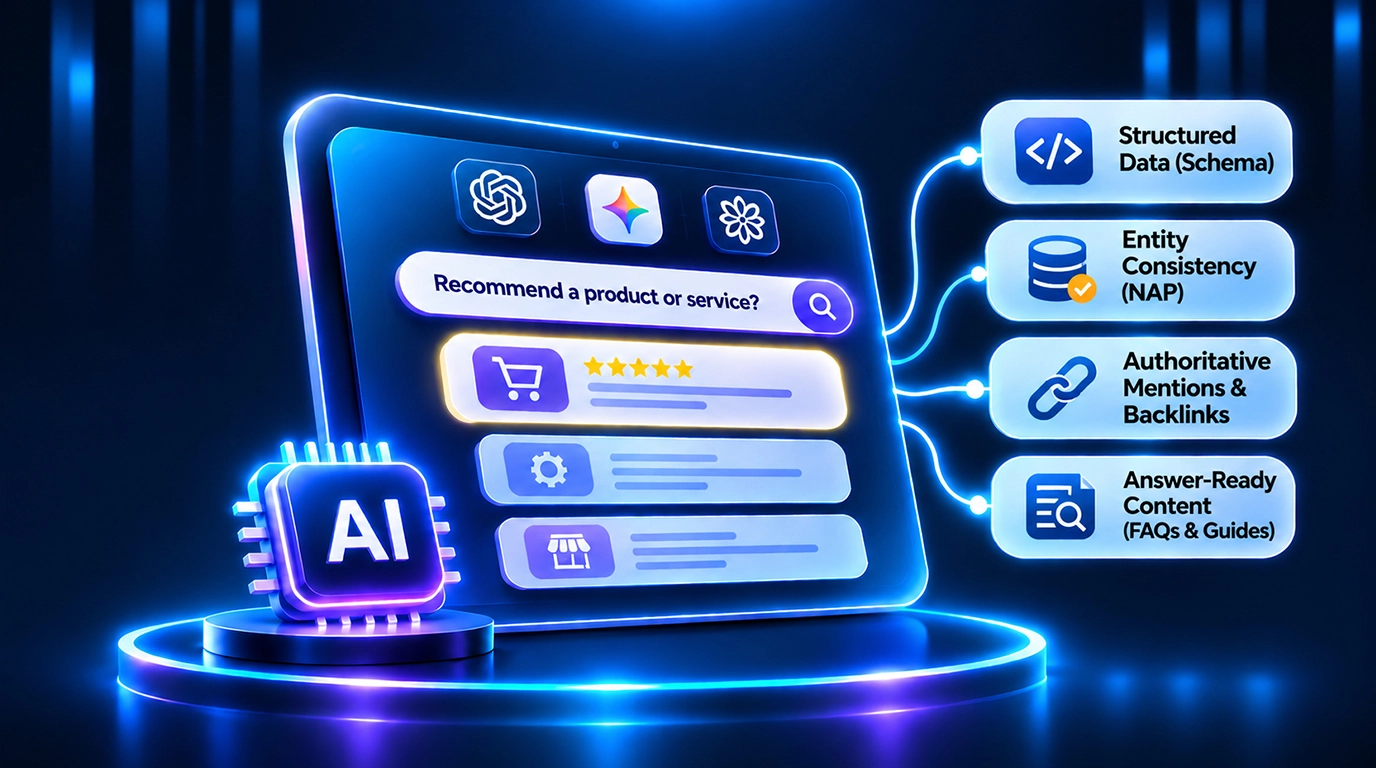
AI doesn't have favourites. It goes by what it can find, understand and verify. When it makes AI recommendations, it usually leans on a few things.
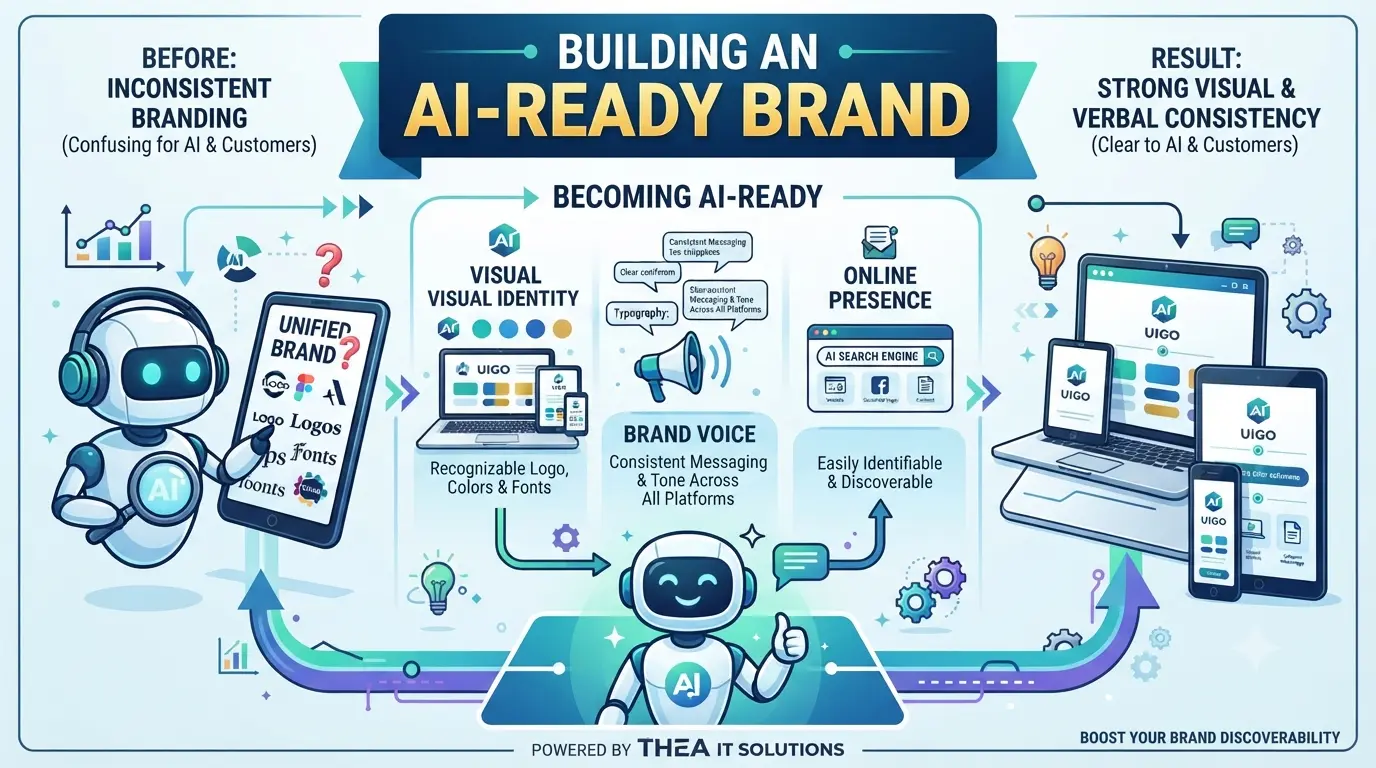
First, clarity. If your website says exactly what you sell, who it's for and roughly what it costs, the AI can repeat that with confidence. Vague lines give it nothing to work with.
Second, what other people say about you. Reviews, forum threads, news mentions and directory listings all work like references on a job application.
Third, consistency. When your business name, services and contact details match across the web, you look dependable. When they don't, you look risky.
And finally, useful content. Pages that answer real questions in plain words are the ones AI quotes.
A Quick Story About Two Dentists
Picture two dental clinics in one city.
Clinic A has a lovely website that says things like "Quality care for the whole family." Clinic B has a page that says "painless root canals, Saturday appointments, and a friendly room for kids." It also has patient reviews and a short list of common questions.
Someone asks an AI assistant, "Which dentist nearby has weekend slots for children?" Clinic B gets named. Clinic A doesn't, even if its dentists are just as skilled.
Clinic A wasn't worse. It was just harder to understand.
You Can See This Happening Right Now
Open any AI tool and ask, "What's a good project management tool for a small team?" You'll probably see Asana, Trello, Notion or Monday.com. They appear because people write about them constantly, and they explain themselves well.
Now try, "Which running shoes suit beginners on a budget?" Notice how often the answer leans on review sites and comparison articles instead of the shoe brands' own pages. That tells you something important: what others say about you can count for as much as what you say about yourself.
Local businesses are no different. Ask for a wedding photographer in Jaipur, and the AI pulls from reviews, portfolios and listings it can double-check.
What You Can Do About It
Good AI Search Optimisation has nothing to do with tricks. It's mostly about being clear and being believable. A few places to start:
- Add an FAQ to your key pages, using the same words your customers use.
- Be specific. Instead of "best service in town," say what you do, for whom and where.
- Ask happy customers to leave honest reviews on trusted platforms.
- Check that your name, address and offerings are identical everywhere they appear.
- Add schema markup, which is a bit of code that helps machines read your pages correctly.
- Publish guides, comparisons and case studies written by people who know the subject.
That, in short, is LLM optimisation. You make it easy for AI to understand you, trust you and explain you to someone else.
How Thea IT Solutions Can Help
Plenty of business owners sense that search is shifting but don't know where to begin. That's where Thea IT Solutions comes in. We look at how AI tools currently read and describe your business, find the gaps, and build a practical plan to fix them. That can mean rewriting website content, tightening your listings or strengthening your online reputation. We keep the language simple, so you always know what's being done and why.
Back to Pune
The skincare owner didn't leave it to luck after that message. She rewrote her product pages, added a guide to skin types, gathered real reviews and cleaned up her listings. A few months later, her brand was showing up in AI answers regularly, and this time she knew why.
AI-driven recommendations aren't some future trend. They're already shaping who gets chosen. The real question is whether AI mentions your business the next time a customer asks.
If you'd like to find out, get in touch with Thea IT Solutions. We'll help make sure your answer is the one that gets given.
FAQ
1. What is LLM Search Optimisation?
It is a way to optimise your website and online presence to help Large Language Model tools understand Your Business, products/services and expertise. This can be done by creating quality content, building brand authority and having accurate information online.
2. How is LLM Search Optimisation different to traditional SEO?
What distinguishes LLM Search Optimization from standard SEO? Standard SEO aims to boost your website’s visibility while LLM Search Optimization aims to simplify your brand and content for artificial intelligence tools. Both processes require the creation of effective content, technical SEO and good online reputation.
3. How can enterprises boost their exposure to engagement in AI recommendation?
To be recommended, a company should create good content, provide the correct information about the business, receive proper mentions, earn quality backlinks and demonstrate their expertise within the given industry.